
For much of the past decade, software engineering has been driven by one overriding objective: ship faster. Agile methodologies, DevOps, continuous deployment and cloud-native architectures transformed how quickly organisations could deliver new features. Success was increasingly measured by deployment frequency, sprint velocity and release cadence. Speed became synonymous with innovation.
But something interesting is happening. Across engineering teams, technical leaders are beginning to shift the conversation. Rather than asking how quickly software can be shipped, they’re asking whether it should be. More organisations are rediscovering an idea that once sat at the heart of software engineering: craftsmanship.
This isn’t a nostalgic return to slower development cycles. Instead, it’s a recognition that sustainable software is built on quality, maintainability and thoughtful engineering decisions, not simply on delivering more features.
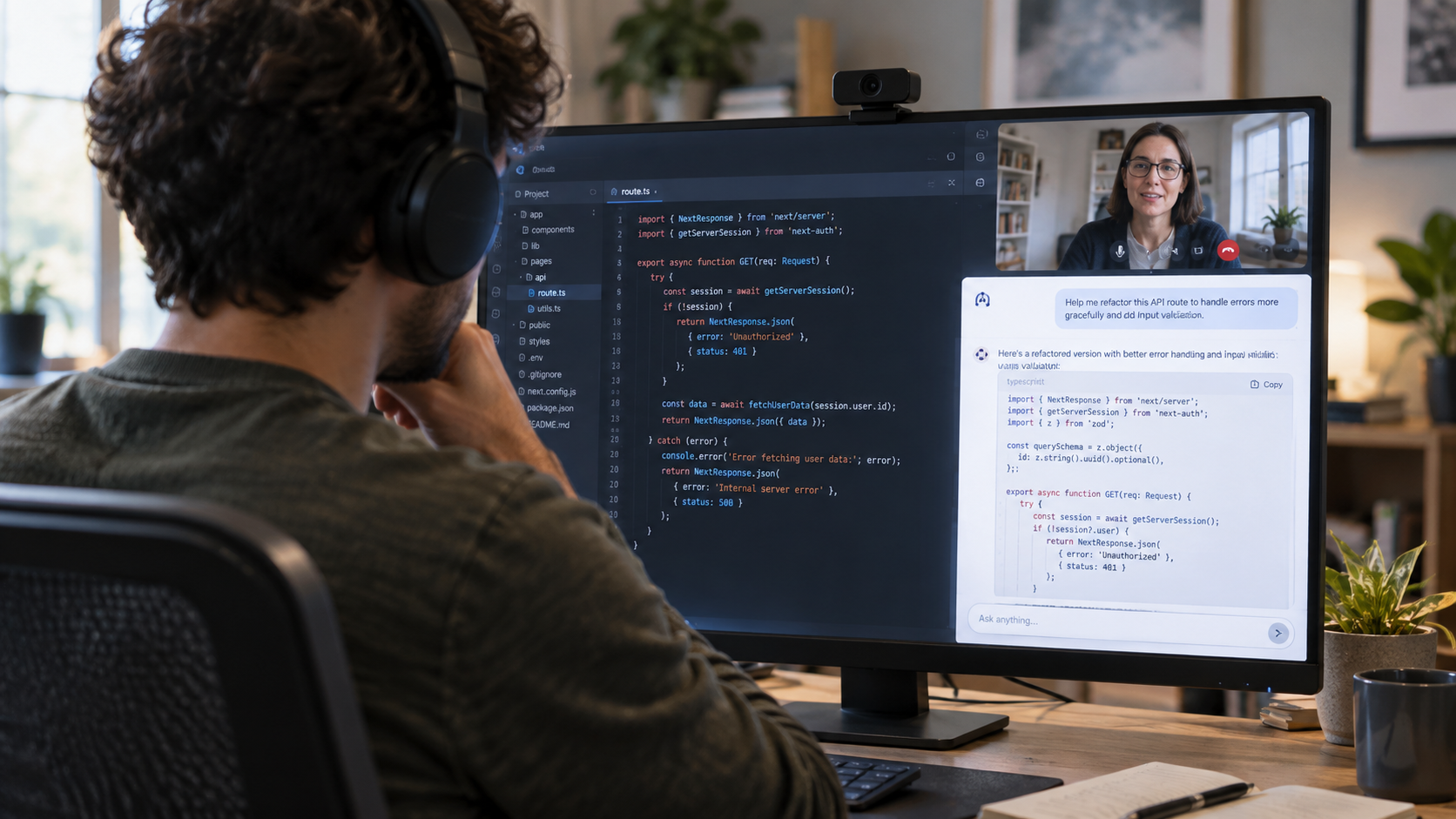
Ironically, artificial intelligence has accelerated this change in thinking. As AI coding assistants become increasingly capable, generating code is no longer the scarce resource. Engineers can produce working software faster than ever before, often with only a few prompts. Yet many technical leaders are discovering that writing code was never the hardest part of software development.
Understanding complex business problems, designing resilient architectures, documenting decisions, maintaining consistency across systems and ensuring software remains maintainable for years are still deeply human responsibilities. In many organisations, these skills have become even more valuable as the volume of generated code increases.
The challenge is no longer producing software quickly. It is producing software that another engineer can understand six months from now.
Many engineering teams are now confronting years of accumulated technical debt created by relentless delivery pressure. Shortcuts that once seemed justified have become expensive liabilities. Poor documentation slows onboarding. Inconsistent coding standards make systems harder to evolve. Fragile integrations increase operational risk. What once appeared to accelerate delivery often ends up reducing it.
This is why software craftsmanship is returning to the agenda. Craftsmanship is not about perfectionism. It is about taking pride in producing software that is clear, maintainable and resilient. It means considering the engineer who will inherit the code next year, not simply the sprint that ends next Friday. It encourages thoughtful naming, sensible abstractions, comprehensive documentation and testing strategies that provide confidence rather than bureaucracy.
These qualities are becoming competitive advantages. As organisations adopt AI-assisted development, the ability to generate code becomes increasingly commoditised. The differentiator shifts from code production to engineering judgement. Teams that consistently produce clean architectures, robust documentation and maintainable systems will ultimately move faster because they spend less time untangling yesterday’s decisions.
This also changes what organisations should value when hiring engineers. Technical excellence is no longer measured solely by knowledge of a particular framework or programming language. Increasingly, employers are looking for engineers who demonstrate curiosity, systems thinking, effective communication and an appreciation for long-term quality. The ability to review AI-generated code critically may soon become more valuable than the ability to write every line manually.
The most successful engineering teams are already adapting. They are investing in stronger engineering standards, more rigorous code reviews, improved documentation practices and architectural governance. Rather than viewing these activities as slowing delivery, they recognise them as enabling sustainable innovation.
The broader lesson extends beyond engineering. Every technology cycle creates pressure to prioritise speed over quality. Today’s AI revolution is no different. Yet history consistently shows that organisations which build durable capabilities outperform those that optimise only for immediate output.
Software has always been more than code. It is a long-term asset that supports products, customers and businesses for years after its initial release. Like any valuable asset, it benefits from careful design, ongoing maintenance and professional pride.
Perhaps the future of software engineering will not belong to the teams that generate the most code. It will belong to those who craft the best software.