
One of the most common assumptions surrounding AI in software engineering is that technical expertise is becoming less important.
The logic seems straightforward enough. If AI can generate code, write tests, explain frameworks, and automate portions of development work, then surely companies can rely less on highly experienced engineers and more on the tools themselves. Yet many engineering leaders are arriving at precisely the opposite conclusion.
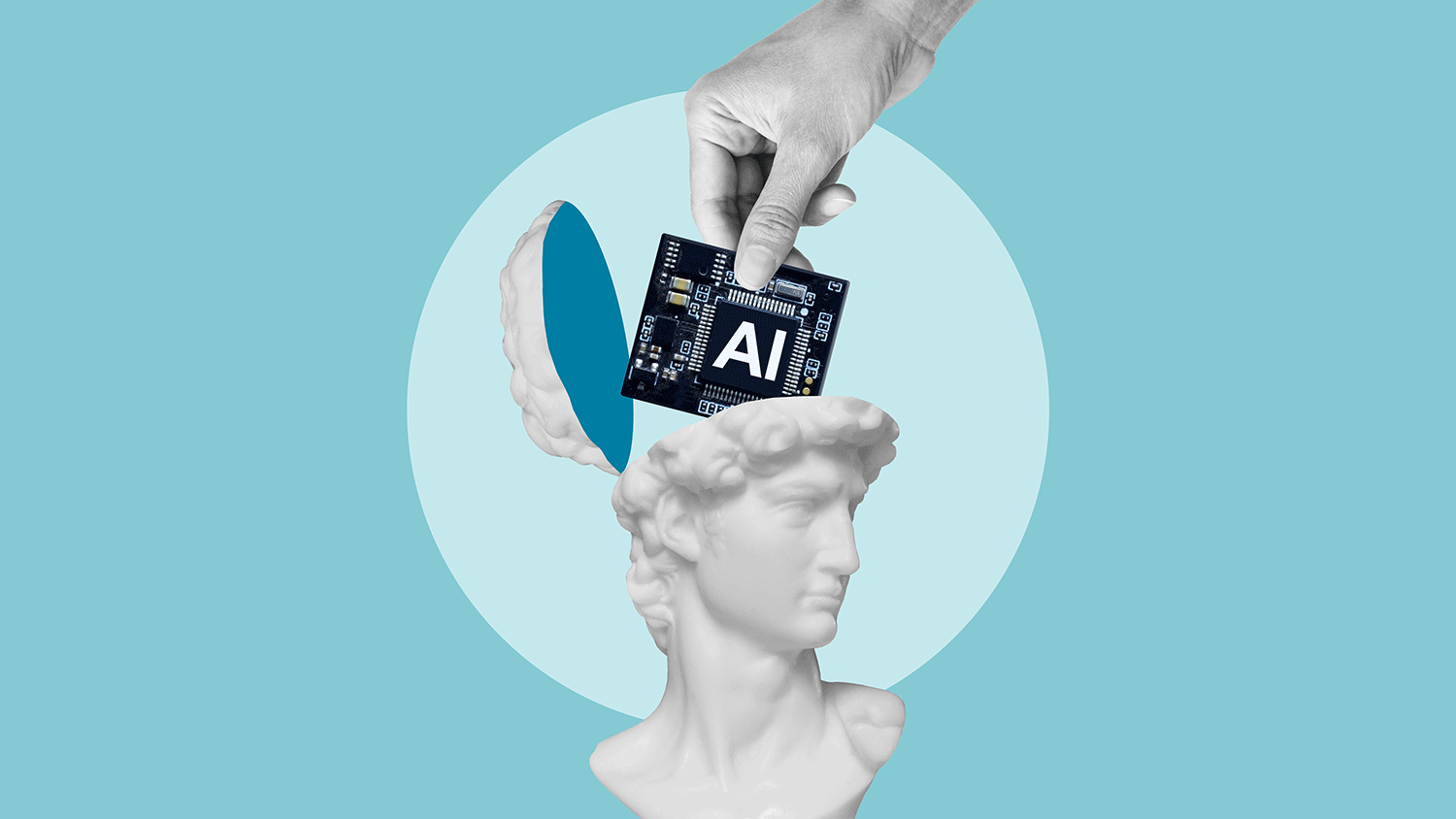
As AI becomes more capable, technical skills are not becoming less valuable. They are becoming more important, just in different ways.
The organisations seeing the greatest gains from AI adoption are often the ones with the strongest engineering foundations already in place. The engineers extracting the most value from these tools are rarely the least experienced people in the room. More often, they are the ones with years of technical knowledge, architectural understanding, and practical experience to draw upon. It is one of the great paradoxes of the current AI wave. The better the tools become, the more critical judgement becomes.
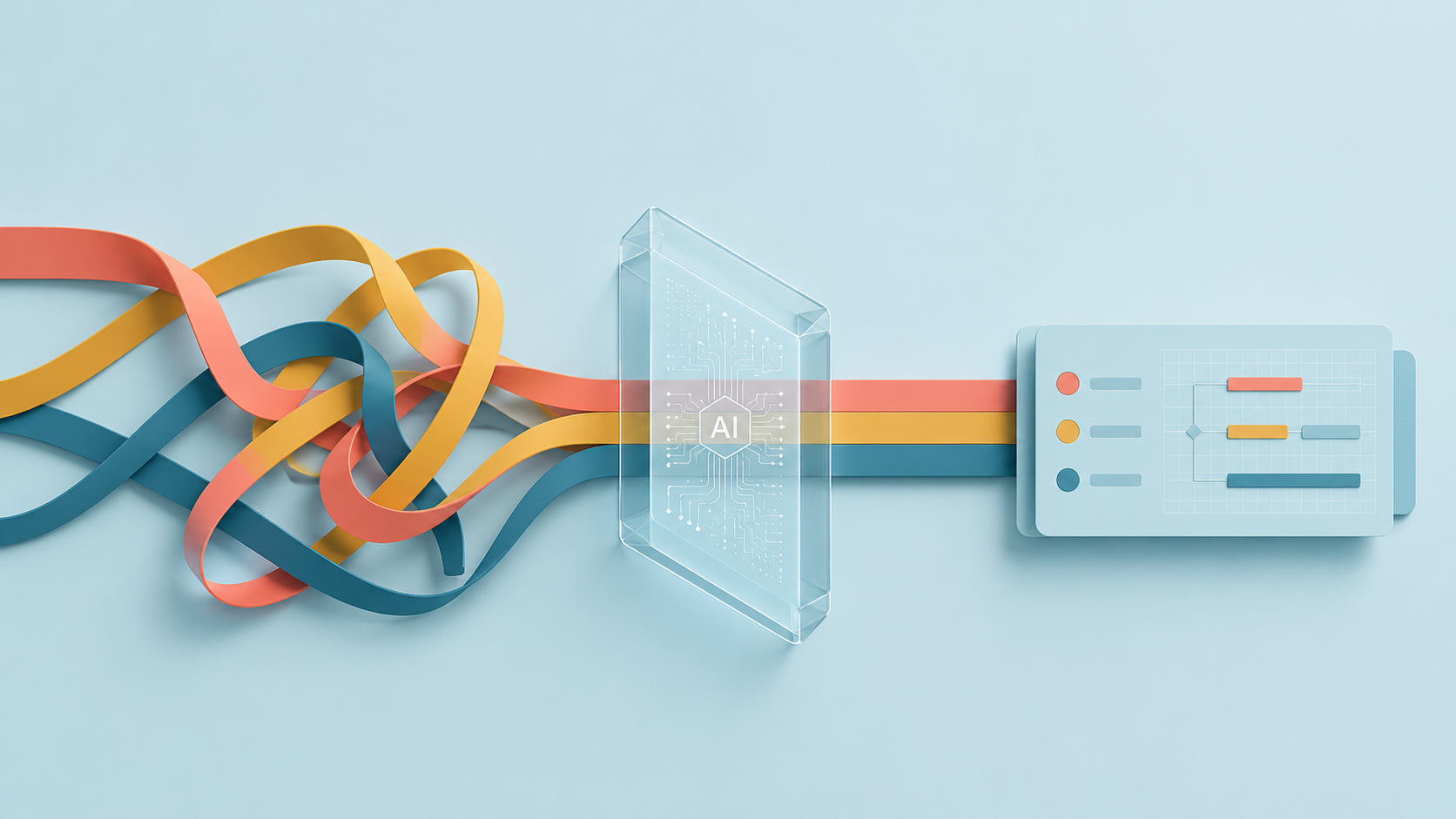
The challenge is that AI is exceptionally good at producing convincing answers. It can generate code in seconds. It can recommend design patterns. It can write tests, explain technical concepts, and suggest solutions to complex problems. In many cases, the output appears polished and professional. The problem is that appearing correct and being correct are not the same thing.
Several engineering leaders we spoke with described a similar experience. AI frequently produces code that looks plausible, compiles successfully, and even passes initial testing. Yet beneath the surface there may be architectural flaws, security concerns, scalability issues, or subtle implementation mistakes that only become visible to someone with sufficient experience to recognise them.
What tech leaders are describing
One leader described AI as a highly capable junior engineer. Fast, productive, and often surprisingly useful, but still requiring guidance, oversight, and review. Another compared it to having unlimited access to implementation capacity while still being constrained by the availability of people capable of making good technical decisions.
In both cases, the limiting factor was not the technology itself. It was the expertise required to evaluate its output. This is one reason senior engineers are often reporting the largest productivity gains from AI adoption.
Experienced developers have accumulated years of pattern recognition. They understand architecture, trade-offs, performance considerations, security risks, and the historical decisions that shaped their systems. When AI proposes a solution, they can quickly identify weaknesses, validate assumptions, and refine the output. The tool accelerates their existing expertise.
Less experienced engineers often face a different challenge. Without the same depth of technical understanding, it becomes harder to distinguish between strong solutions and flawed ones. The code may look correct. The explanation may sound reasonable. The recommendation may appear authoritative. But confidence and correctness are not the same thing.
Several leaders expressed concern that AI could unintentionally create a new form of technical debt if engineers begin accepting generated solutions without fully understanding them. The risk is not that people stop coding. The risk is that they stop learning.
Want to talk product engineers?
30-minute intro call. No commitment or cost.
A new set of hiring questions
Traditional technical assessments are already under pressure. Take-home coding exercises have become increasingly difficult to evaluate when candidates can leverage AI throughout the process. Many organisations are discovering that code generation alone is no longer an effective measure of engineering capability. As a result, hiring processes are beginning to shift.
Instead of focusing exclusively on whether a candidate can produce working code, leaders are becoming more interested in how candidates think. Can they identify flaws in a proposed solution? Can they explain trade-offs? Can they critique AI-generated output? Can they reason through ambiguity and defend their decisions? The goal is no longer simply measuring execution. It is measuring judgement.
This shift is also changing the qualities companies prioritise when evaluating talent. Technical depth remains essential, but it is increasingly being paired with broader skills such as communication, product thinking, and problem solving. The most sought-after engineers are often the ones who can move comfortably between technical discussions and business conversations. They understand not only how to build a solution, but why it matters in the first place.
Ironically, AI may be accelerating the value of these human capabilities rather than diminishing them. As code becomes easier to generate, competitive advantage moves elsewhere. It moves into decision making, prioritisation, system design, stakeholder alignment, and the ability to navigate uncertainty. These are areas where experience and expertise still matter enormously.
The same pattern is emerging at the organisational level. Companies that struggle with unclear requirements, fragmented architectures, inconsistent engineering standards, or large volumes of legacy complexity often discover that AI magnifies those challenges rather than solving them. Faster code generation simply creates more output flowing into an already constrained system.
The organisations seeing the greatest returns tend to have strong technical leadership, mature engineering practices, and experienced teams capable of integrating AI into an existing culture of quality and accountability.
In other words, AI rewards strong engineering more than it replaces it. This is the paradox many leaders are beginning to recognise. The future does not belong to organisations that hire fewer engineers because AI exists. It belongs to organisations that combine powerful AI capabilities with highly capable engineers who know how to use them well.
Technical expertise is not becoming obsolete. It is becoming the foundation that determines whether AI creates value or creates problems. For engineers, that should be encouraging. The skills that matter most in the years ahead are not entirely new. Deep technical understanding, architectural thinking, curiosity, problem solving, and continuous learning have always distinguished exceptional engineers from average ones.
AI changes how those skills are applied. It does not eliminate their importance. If anything, it makes them more valuable than ever.
Want to chat product engineers?
We’ve seen first hand how the world of software is changing and we’ve fully embraced it. If you want to learn more about what we’re doing in this space, give us a call.